


Uncovering the Secrets of Kingsand and Cawsand: Tales of Smuggling and Heritage


Nestled just down the hill from the WilderMe glamping site, the twin villages of Kingsand and Cawsand appear as peaceful fishing villages, bathed in the gentle light of the Rame Peninsula. Today, they welcome visitors with bustling cafes, warm pubs, and quiet beaches. Yet beneath this calm surface, these villages guard mysterious secrets woven into their very foundations—stories of smuggling, pirates, and hidden tunnels that whisper of a time when the sea was both a lifeline and a shadowy highway for contraband.
The Smuggling Heart of the Rame Peninsula

In the 1700s and 1800s, the Rame Peninsula was a hotspot for smuggling in the UK. Kingsand and Cawsand, perched on the Cornwall-Devon border, became central players in this clandestine trade. Heavy taxes on spirits like rum and whiskey made smuggling a lucrative, if dangerous, business. Over 50 vessels regularly brought in contraband spirits, evading the watchful eyes of the authorities.
The villages’ unique geography helped smugglers thrive. Until 1844, a stream divided Kingsand in Devon from Cawsand in Cornwall. This natural boundary created a loophole: smugglers could slip between jurisdictions, making it difficult for revenue officers to enforce the law. The entire community often took part in landing thousands of kegs annually, turning the villages into a hive of secret activity.
Hidden Cellars and Secret Tunnels
Walk through the narrow streets of Kingsand and Cawsand, and you might notice something unusual. Many older cottages still bear the marks of their smuggling past—blocked-off doorways, hidden cellars, and faint outlines of tunnels beneath the stone floors. These were not mere architectural quirks but vital parts of a secret network used to hide goods from prying eyes.

Smugglers used these underground passages to move spirits quickly and quietly from the shore to safe storage. The cellars kept the contraband hidden from customs officers and rival gangs. Some tunnels are said to connect multiple houses, allowing goods to be transported without ever stepping outside. This network was a lifeline for the villages, binding the community together in a shared, if illicit, purpose.
The Legend of Harry Carter and the Smuggling Luggers
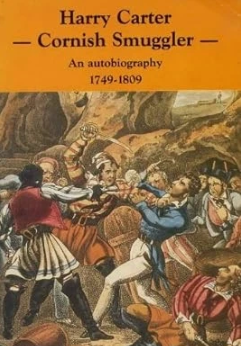
Among the many figures who haunt the history and myth of Kingsand and Cawsand, Harry Carter stands out. A famous Cornish smuggler, Carter frequently used Cawsand as a base. His daring escapades and narrow escapes from the Royal Navy have become part of local folklore. One story tells of a fierce fight in Cawsand where Carter was severely wounded but managed to evade capture.
Cawsand was also renowned for building fast smuggling luggers—sleek, swift boats designed to outrun patrol vessels. These luggers anchored in Cawsand Bay, where smaller boats ferried the contraband ashore under cover of darkness. Hundreds of locals often took part in these operations, their knowledge of the coastline and tides turning the area into a smuggler’s paradise.
The Decline of Smuggling and the Rise of Heritage
By the mid-19th century, the Royal Navy increased its presence in nearby Plymouth, and revenue services tightened their grip. Smuggling on the Rame Peninsula began to wane as stronger enforcement made the trade too risky. The once-bustling secret tunnels fell silent, and the villages returned to their quieter lives as fishing communities.
Today, Kingsand and Cawsand wear their heritage with pride. The mysterious tunnels and hidden cellars remain as silent witnesses to a turbulent past. Visitors can explore the villages’ charming streets, imagining the shadows that once moved beneath their feet. The history of smuggling, pirates, and secret trade enriches the character of these Cornish villages, inviting those who wander here to uncover the layers of legend and fact.
Discovering the Mysterious Past
For history lovers and travel enthusiasts, Kingsand and Cawsand offer more than just scenic beauty. They provide a glimpse into a world where ordinary people became part of extraordinary tales. The villages’ heritage is not just in their buildings or beaches but in the stories whispered by the wind and the sea.

Next time you visit the Rame Peninsula, take a moment to look closely. Notice the blocked doorways, the uneven stonework, and the quiet corners where secrets linger. These are the traces of a past shaped by smuggling and survival, a mysterious chapter in Cornwall’s rich history waiting to be uncovered.
We loved researching this fascinating history with our friend Emma of Cawsand Cottage. Check out her Facebook page and the posts she wrote about this compelling topic!
And if this makes you itch to visit us this summer, you can take a look at our luxury geodome glamping experiences here.


Comments